Ghost Floors: How to Stop Wasting Energy on Unoccupied Building Spaces
Omar Siddiqui
Building Systems Integration Engineer (CCNA, MCSE)
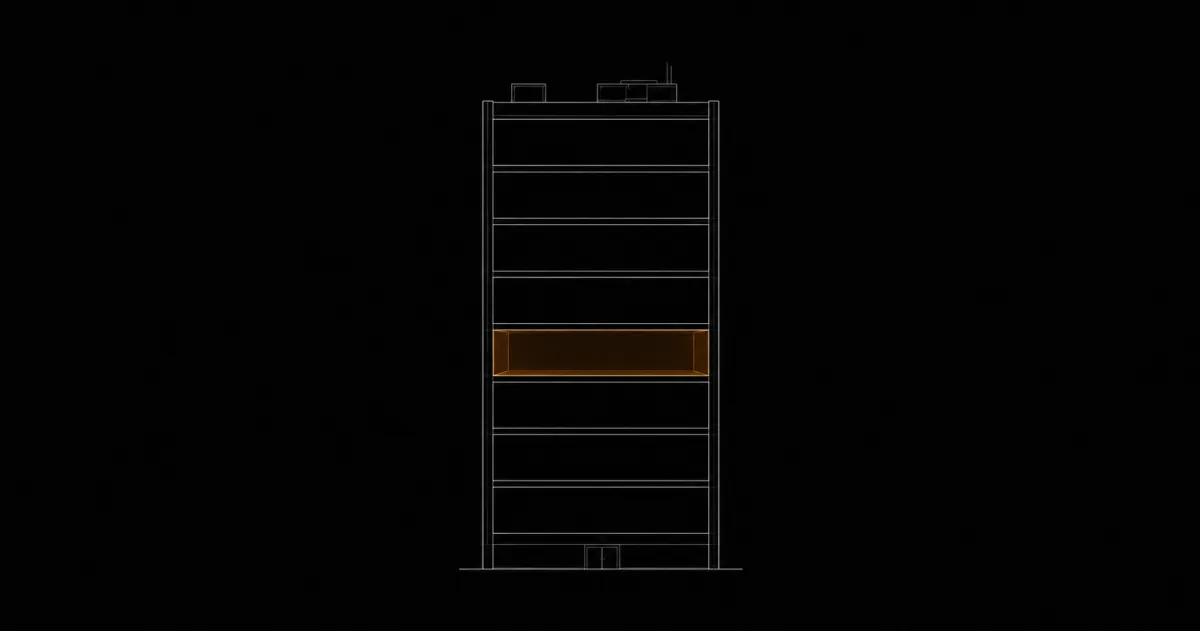
Ghost Floors Waste 20 to 40% of a Building's Energy Budget
Ghost floors (also called phantom loads or dark floors) are unoccupied building spaces that continue consuming full HVAC, lighting, and ventilation energy as if they were fully occupied. Operational analyses of commercial buildings consistently show that unoccupied spaces can account for 20 to 40% of total building energy, as HVAC systems without occupancy-aware controls run at full capacity regardless of whether anyone is present.
In the GCC context, the cost is extreme. In poorly tuned buildings with limited occupancy controls, field data and operational modeling frequently show that a very large share of cooling energy is spent on under-occupied or empty zones, sometimes exceeding half of total cooling consumption. A typical Doha commercial tower spends QAR 150,000 to 250,000 per month on ghost space cooling. In high-growth areas like West Bay and Lusail, where new towers are delivered ahead of full tenant occupancy, multiple floors may run ghost loads simultaneously for months.
Why You Cannot Simply Turn Off Cooling
The naive solution,shutting down HVAC entirely on empty floors,creates severe problems in Qatar's climate. According to ASHRAE Guideline 36 (2024), completely uncontrolled spaces in humid climates develop mold growth within 48 to 72 hours when relative humidity exceeds 70%. In Gulf region conditions (outdoor humidity regularly exceeding 80% during summer mornings), unconditioned spaces degrade rapidly,damaging finishes, carpets, ceiling tiles, and mechanical equipment.
The correct approach is intelligent setback: maintaining humidity control at minimal energy input (typically 40 to 50% of full-occupancy HVAC load) while shutting down all lighting, plug loads, and unnecessary ventilation.
How AI Detects and Manages Ghost Floors
The ABI engine automatically identifies ghost floor conditions through occupancy sensor data, access card swipe patterns, and CO2 level trends. When a floor registers zero meaningful occupancy for a configurable threshold (typically 2 to 4 hours), the system:
- Reduces cooling setpoint to humidity-maintenance-only mode
- Shuts down fresh air ventilation to minimum code-required rates
- Disables all controllable lighting circuits
- Alerts facilities management of the ghost condition
- Pre-conditions the space if scheduled occupancy is detected approaching
According to research by Jones Lang LaSalle (JLL, 2023), buildings that deploy occupancy-responsive floor management reduce energy consumption by 15 to 25% across the total building footprint, with payback periods under 12 months.
Meeting GSAS energy compliance standards requires demonstrating that energy is not wasted on unoccupied space. Failing to demonstrate that energy is not wasted on unoccupied spaces will materially hurt your GSAS Energy score. Automated ghost floor detection provides the continuous proof that manual audits cannot.
Want to see how A.R.V.I.S. handles empty-building energy management in practice? Request a demo.
About the author
Omar Siddiqui
Building Systems Integration Engineer (CCNA, MCSE)
Omar designs and deploys the connectivity layer between live building systems and AI reasoning engines: BACnet/Modbus point maps, sensor networks, and data quality pipelines. He has commissioned BMS integrations across commercial, retail, and hospitality properties in Qatar.
Frequently Asked Questions
Related Insights
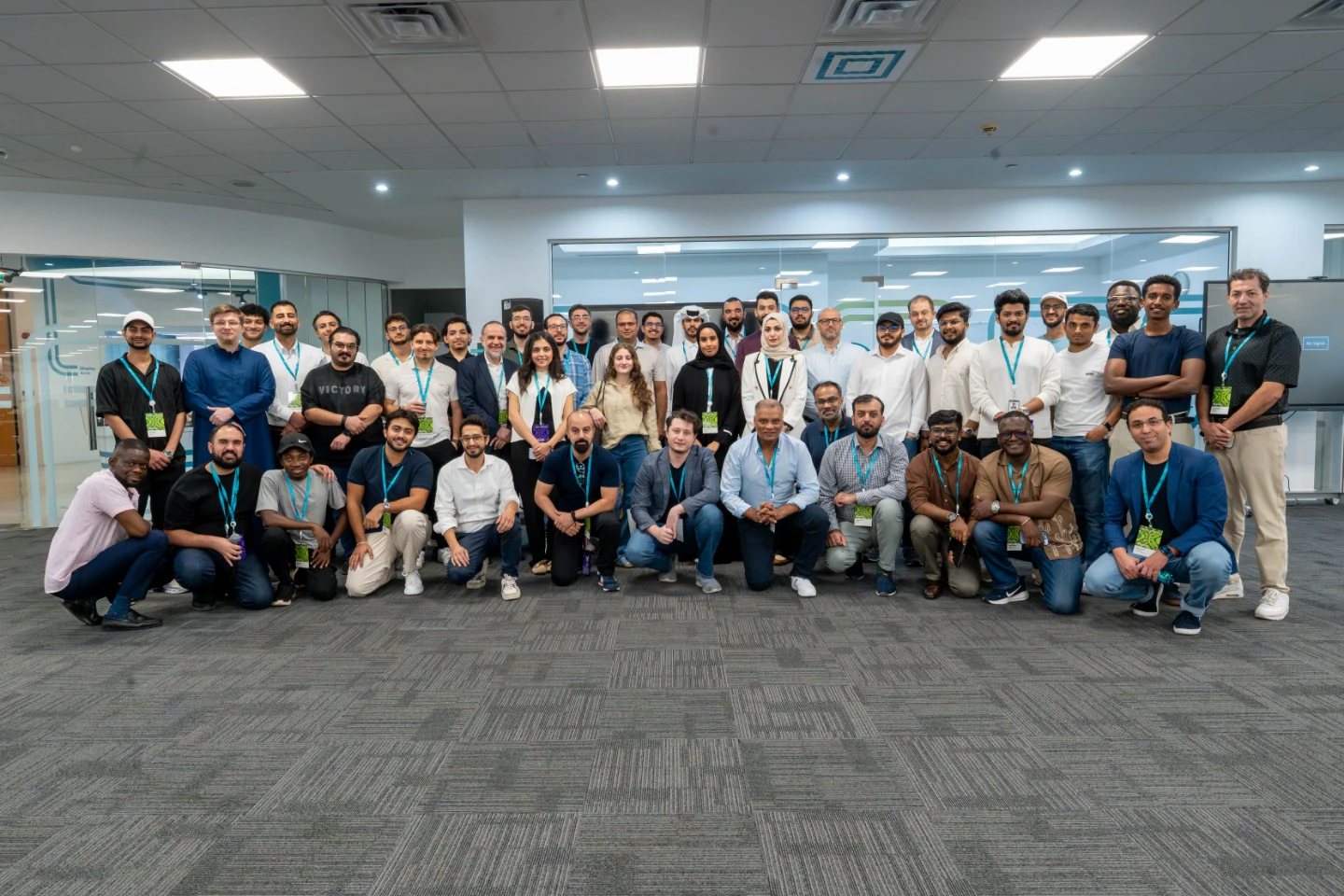
ARVIS Joins QSTP's Fall 2026 Cohort: Deploying Sovereign Building Intelligence Across Qatar
A.R.V.I.S. has been selected for the Qatar Science & Technology Park (QSTP) Fall 2026 Cohort from over 150 international and regional technology applications. Operating within Qatar Foundation's elite technology ecosystem, A.R.V.I.S. is deploying sovereign building operational intelligence across premier commercial and healthcare facilities in Qatar.
Sovereign AI in Smart Building Operations: Why Data Supremacy is Critical for Critical Infrastructure
Smart buildings generate massive volumes of operational data. Discover why cloud-only AI models introduce major risks and why Sovereign AI is the future of secure critical infrastructure.