AI in Building Management: How Predictive Maintenance Reduces Downtime
Khalid Al-Rashidi
Senior Electro-Mechanical Systems Engineer
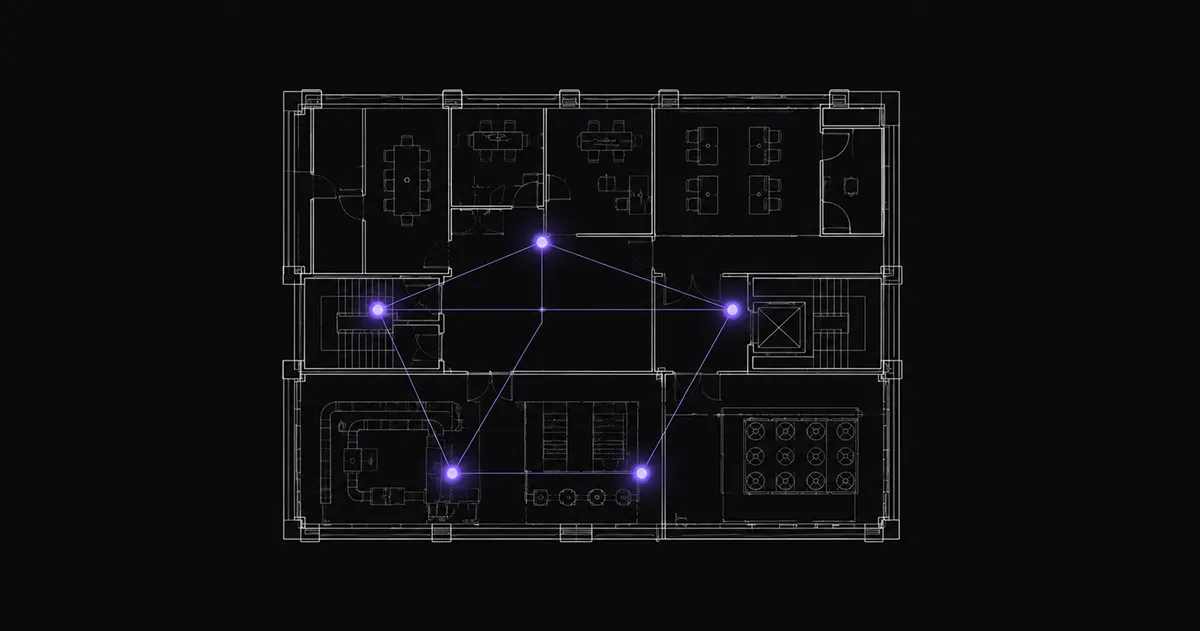
AI Predicts Building Failures Before They Happen
Artificial Intelligence in building management is the use of machine learning systems to continuously analyze equipment data,vibration, power draw, temperature, and airflow,and predict mechanical failures days or weeks before they occur. According to McKinsey, Deloitte, and industry case studies, predictive maintenance powered by AI reduces unplanned equipment downtime by 30 to 50% and extends asset lifespan by 20 to 40% compared to reactive or scheduled maintenance approaches.
Traditional building management relies on fixed schedules (replace the belt every 6 months) or reactive responses (fix it when it breaks). AI changes this by learning what "normal" looks like for each specific piece of equipment, then flagging subtle deviations that signal impending failure.
How AI Monitors Equipment Health
The core mechanism is behavioral pattern recognition. An AI engine collects real-time data from motors, compressors, pumps, and air handlers,monitoring power consumption curves, vibration signatures, and thermal profiles. According to McKinsey & Company (2022), buildings that deploy AI-based monitoring reduce maintenance costs by 10 to 25% while simultaneously reducing energy consumption by 10 to 20%.
When a fan belt begins to slip, the AI detects a change in the motor's power curve weeks before human-audible noise appears. When a chiller's refrigerant charge drops, the AI notices the shift in approach temperature long before efficiency visibly degrades.
From Alarms to Understanding
Systems like the A.R.V.I.S. ABI engine go beyond simple anomaly detection. They correlate anomalies across multiple systems simultaneously. If energy consumption spikes, the AI checks weather data, occupancy levels, and equipment status before raising an alert,distinguishing between a legitimate early-cool cycle and an actual equipment fault.
According to ASHRAE (2024), buildings with AI-integrated operations report 60 to 70% fewer false alarm events, directly addressing the alarm fatigue problem that causes facility teams to ignore legitimate warnings.
What the GCC Climate Adds to the Equation
In Qatar's ASHRAE 0B climate zone, HVAC systems operate under sustained thermal stress that has no equivalent in temperate markets. Chillers run near full load for 7 to 8 months continuously. Cooling towers face outdoor wet-bulb temperatures that compress their approach margin. Filter degradation accelerates with fine particulate from shamal wind events.
This sustained load profile means that subtle degradation accumulates faster than industry-standard maintenance intervals assume. A chiller that would show bearing wear after 18 months of moderate operation in a northern European climate may show the same wear pattern after 10 months under Qatar's continuous cooling demand. Building-specific AI baselines that account for local load profiles are not a luxury; they are the minimum for accurate predictions.
What Comes Next
The direction is clear: buildings that adopt operational intelligence now gain a compounding advantage. Every month of data collection makes the AI more accurate, more contextual, and more predictive. According to Navigant Research (2023), the global market for AI in building management will reach $8.4 billion by 2028, growing at 25% annually.
Buildings are no longer static structures. They are intelligent systems that learn, adapt, and communicate. The organizations investing in this capability today will operate at fundamentally lower cost and higher reliability than those that wait.
Want to see how A.R.V.I.S. handles predictive building intelligence in practice? Request a demo.
About the author
Khalid Al-Rashidi
Senior Electro-Mechanical Systems Engineer
Khalid brings 25 years of BMS and chiller plant operations experience across the GCC, including large-scale defense infrastructure and Class-A commercial towers. He specializes in BACnet/Modbus integration, chiller plant optimization, and predictive fault detection.
Frequently Asked Questions
Related Insights
ARVIS Joins QSTP's Fall 2026 Cohort: Deploying Sovereign Building Intelligence Across Qatar
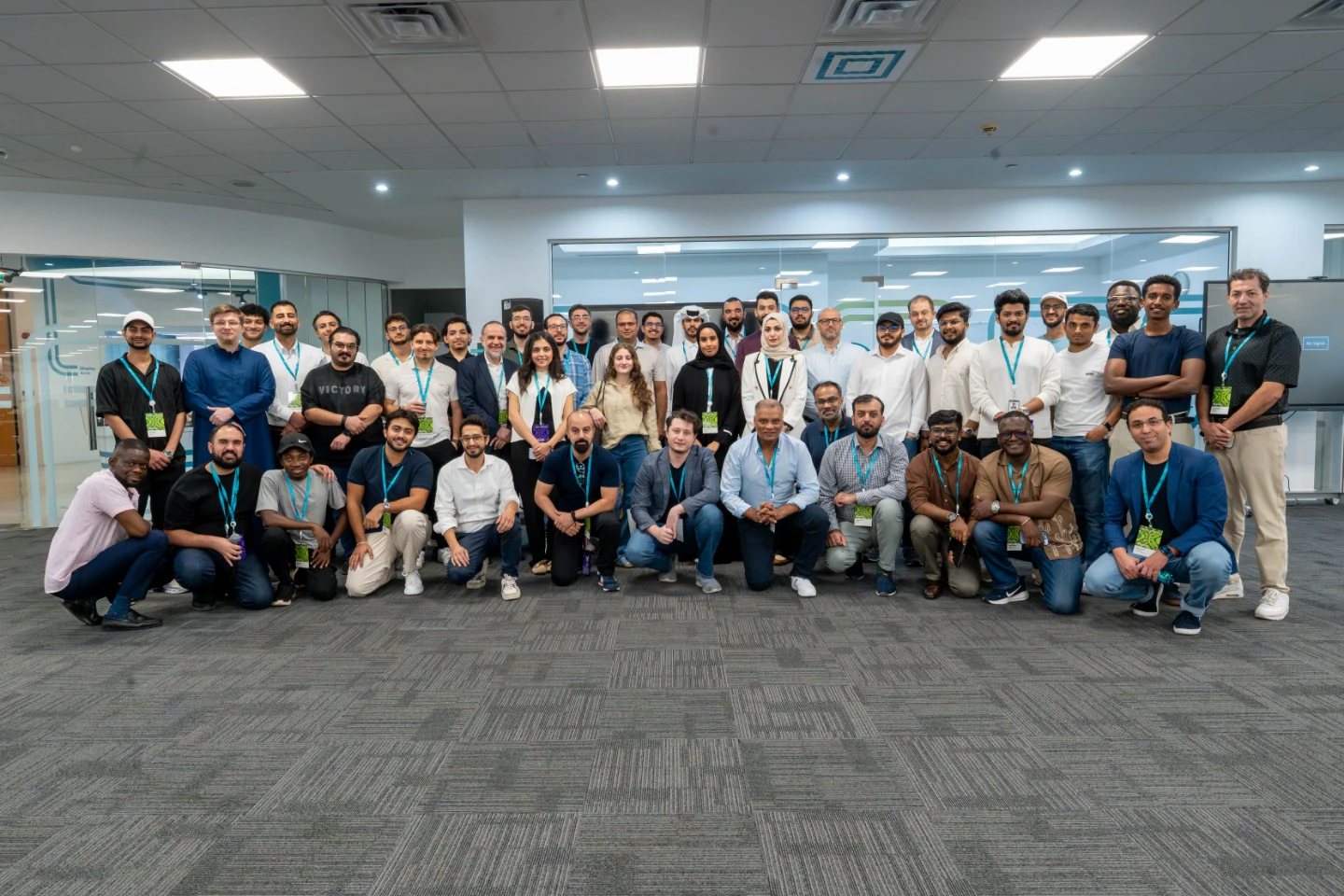
A.R.V.I.S. has been selected for the Qatar Science & Technology Park (QSTP) Fall 2026 Cohort from over 150 international and regional technology applications. Operating within Qatar Foundation's elite technology ecosystem, A.R.V.I.S. is deploying sovereign building operational intelligence across premier commercial and healthcare facilities in Qatar.
Sovereign AI in Smart Building Operations: Why Data Supremacy is Critical for Critical Infrastructure
Smart buildings generate massive volumes of operational data. Discover why cloud-only AI models introduce major risks and why Sovereign AI is the future of secure critical infrastructure.